Common Eating Patterns and Habits
Understanding the diversity of eating habits observed across different populations and daily routines.
What Are Eating Habits?
Eating habits are the patterns and routines people develop regarding food consumption. They include what people eat, when they eat, how much they eat, and the social and environmental contexts of eating. These habits are learned through experience, influenced by culture, developed over time, and shaped by individual circumstances.
Eating habits vary significantly from person to person. Research observing daily life across different populations reveals a wide range of approaches to eating. Understanding this diversity helps us appreciate how different people navigate their nutritional intake based on their unique situations.
Categories of Eating Habits
Food Preferences and Choices
People develop preferences for specific foods based on taste, texture, experience, and cultural background. These preferences vary widely. Some people prefer certain food groups, while others make different choices. Some eat quickly, others slowly. Some prefer variety, others prefer consistency. These preferences become part of individual eating habits.
Meal Structure
People organise their eating differently. Traditional structures of breakfast, lunch, and dinner represent one approach. Others adopt different structures with more or fewer distinct eating occasions. Some have formal meals with multiple courses, others eat more simply. These structural differences reflect individual and cultural patterns.
Eating Speed and Pace
The pace at which people eat varies considerably. Some eat quickly, completing meals in short time periods. Others eat more slowly, taking extended time for meals. Some people multitask while eating, others focus solely on food. These patterns develop through habit and personal preference.
Social Eating Contexts
Social aspects of eating vary greatly. Some people eat primarily with others, others primarily alone. Some view eating as a social activity central to family and community, others view it more functionally. Some share meals regularly, others rarely do. These social patterns shape eating habits significantly.
Snacking Patterns
Approaches to eating between meals vary. Some people regularly consume snacks throughout the day, others rarely snack. Some snack on structured food items, others on whatever is available. Some plan snacks carefully, others eat opportunistically. Snacking habits contribute to overall eating patterns.
Common Eating Patterns Observed
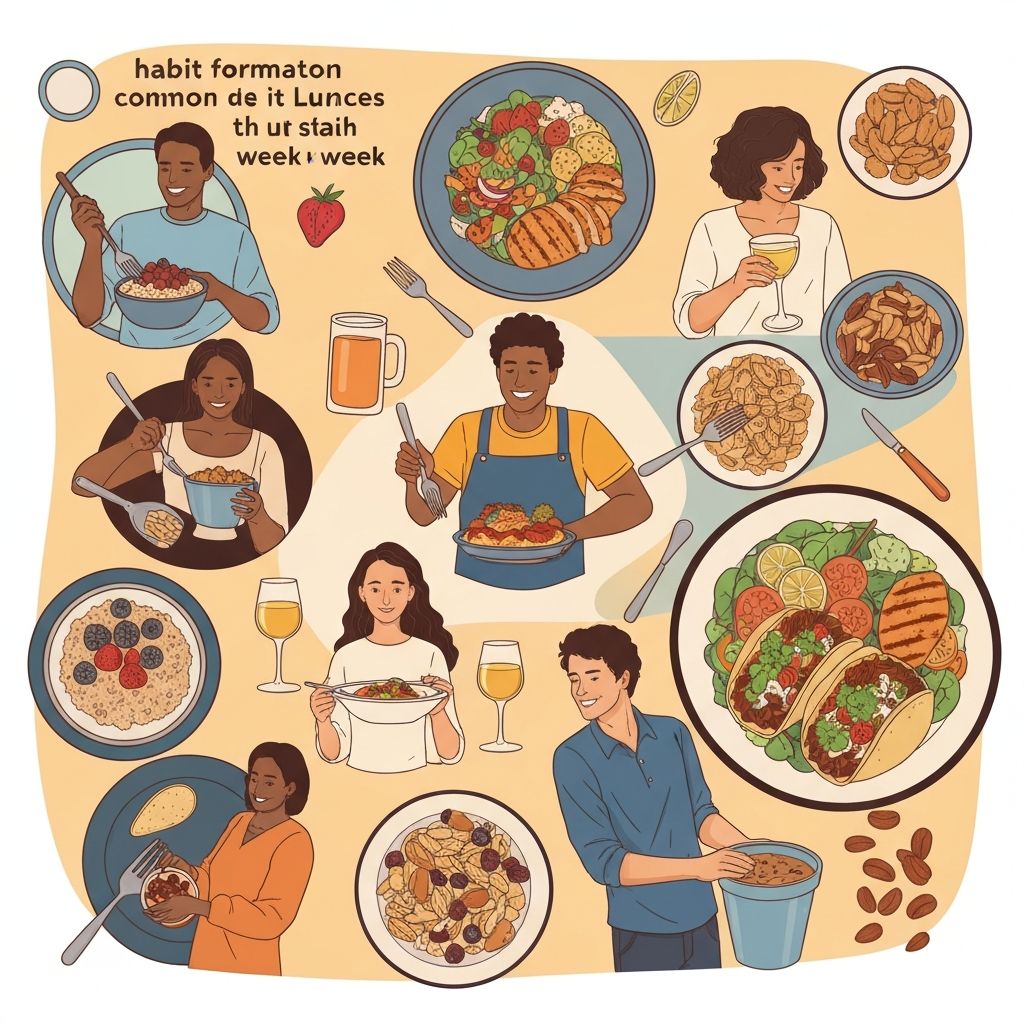
Research and observation of daily life reveal several eating patterns that occur commonly across populations:
- Regular structured meal times
- Irregular or variable eating times
- Emphasis on certain meals (e.g., large breakfasts)
- Frequent small eating occasions
- Combination of meals and snacks
- Eating in response to hunger
- Eating on schedule regardless of hunger
- Social eating occasions
Factors Shaping Individual Eating Habits
Individual eating habits develop through the interaction of multiple factors:
- Family History: People often adopt eating patterns similar to those in their families of origin.
- Cultural Background: Cultural traditions establish expectations about food, meals, and eating contexts.
- Geographic Location: Available foods and local food cultures influence choices.
- Personal Experience: Direct experience with foods and eating situations shapes preferences and habits.
- Daily Routine: Work schedules, school times, and other commitments structure eating times.
- Physical Activity: Activity levels influence hunger and eating frequency.
- Financial Resources: Budget constraints influence what foods are accessible.
- Health Factors: Physical condition and digestion can influence eating patterns.
- Social Influences: Friends, family, and social groups influence eating patterns.
- Personal Preferences: Individual tastes and preferences guide choices.
Variability of Eating Habits
Eating habits vary not just between different people, but also within individual people across time. A single person may follow different patterns on weekdays versus weekends, during different seasons, or at different life stages. Changes in circumstances often lead to changes in eating habits.
This variability and diversity is normal and expected. It reflects the complexity of human life and the many factors that influence how and what people eat daily.
Educational Content Only: This article provides informational content about eating patterns and habits observed in daily life. It does not evaluate patterns as positive or negative, recommend specific approaches, or suggest changes. All eating habits and dietary choices are personal matters based on individual circumstances and preferences.